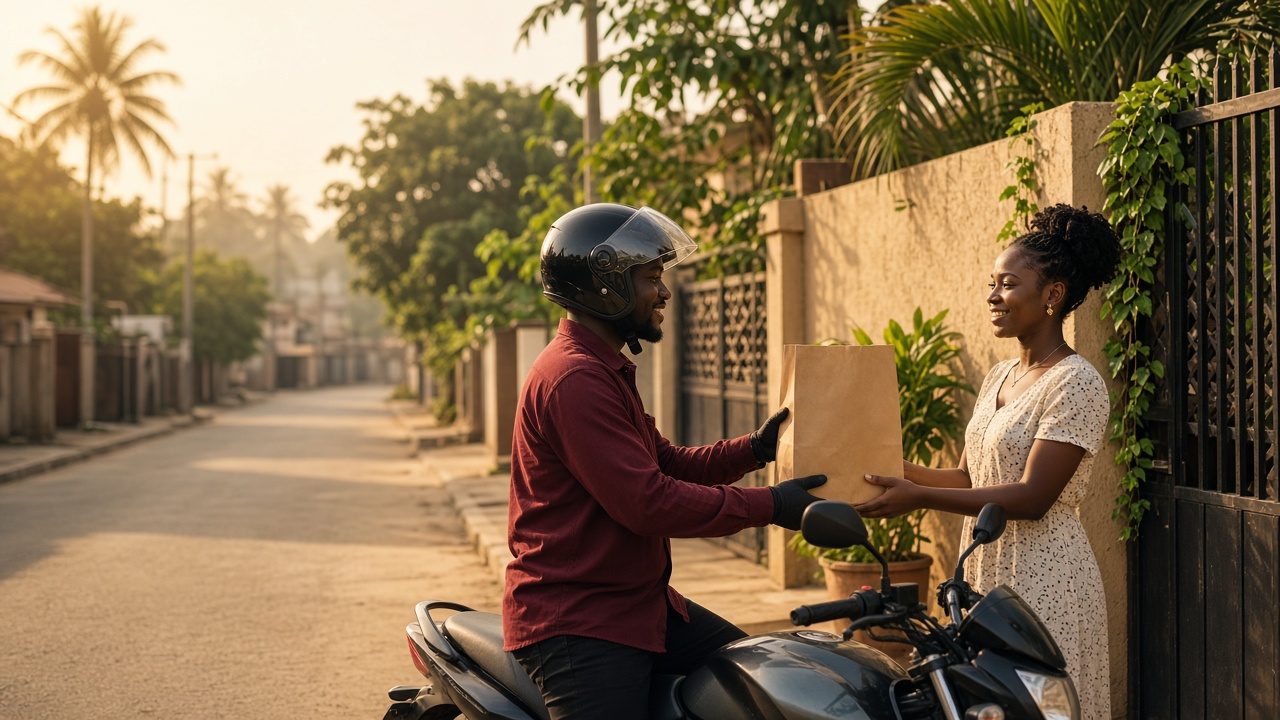
Iseyin (and Oke-Ogun) never lacked business. It lacked a system that could carry it online.
Oke-Ogun has always traded - markets, food, fabric, neighbourhood trust. What arrived late was not ambition. It was digital infrastructure that finally fits towns like Iseyin, Saki, and Okeho.
Spend a morning in Iseyin and the idea that the town is "waiting for business" starts to look strange.
Oja Oba is not a metaphor. People are buying and selling before the sun settles into its afternoon mood. Food is moving. Fabric is moving. Household needs are moving. Across Oke-Ogun - Iseyin, Saki, Okeho, Ado-Awaye, and the towns stitched between them - commerce is not a future project. It is the daily operating system.
So when people say places like these are "behind in tech," it is worth asking a better question: behind in what, exactly?
The trade was never missing
Oke-Ogun has always known how to do business in ways that do not need a pitch deck.
Iseyin built reputation through craft, markets, and the practical hustle of a town that feeds itself and dresses itself. Saki has long been a corridor of movement and trade. Okeho and neighbouring communities run on the same quiet engine: someone produces, someone sells, someone trusts them enough to come back tomorrow.
That trust matters. In many of these towns, your favourite food spot is not a brand logo. It is a person. Your fabric seller is not an anonymous storefront. It is a relationship. Your chemist, your provisions shop, your neighbourhood canteen - they work because reputation still means something.
That is not a lack of innovation. That is a different kind of infrastructure: social infrastructure.
What actually lagged
What arrived late was not hunger for better tools. It was systems designed for how these towns already live.
For years, Nigeria's loudest digital products were built around denser cities first - where logistics maps were clearer, vendor onboarding was easier to scale, and advertising could chase bigger urban audiences. Meanwhile, Oke-Ogun kept trading the old reliable way: go there, call someone, send a younger person, ask a neighbour who is already going that side.
People here use smartphones. Young people are online. Families outside town already send money and instructions by phone. The gap was never "nobody wants modern life." The gap was that most platforms never bothered to become useful at the scale of a real Iseyin afternoon - local vendors, local riders, local addresses, local payment habits.
In plain terms: the shops were ready. The rails were not.
Online is not the same thing as useful
Putting a business "online" can mean a WhatsApp status, a Facebook photo, or a phone number passed around in a chat group. Those things help. They also break easily.
What breaks?
- Discovery - new buyers cannot reliably find you unless somebody forwards your number
- Orders - requests get lost in chat threads
- Payment - trust becomes awkward when money and goods move on separate promises
- Delivery - "who will carry it?" becomes a fresh negotiation every time
A real online system does not replace the market auntie or the canteen that knows your order. It gives that business a cleaner way to be found, paid, and fulfilled without turning every sale into a private logistics puzzle.
That is the difference between being reachable and being operable.
What a proper local system looks like
For towns like Iseyin, the useful version of tech is not glamorous. It is practical:
- A buyer can open an app, choose their town, and see vendors that actually serve them
- A vendor can list what they sell without needing a tech team
- Payment can happen in ways Nigerians already understand
- A rider can pick up from a shop they know and deliver across familiar routes
- Someone outside town can order for family on the ground without managing five phone calls
None of that insults local life. It respects it enough to build around it.
Where Trovah fits
This is the gap Trovah is trying to close in Oke-Ogun.
Not by importing a Lagos fantasy into Iseyin. By connecting the businesses that already exist - food, fashion, essentials, neighbourhood retail - to a system that can carry them online: browsing, checkout, and delivery that make sense locally.
If the older story was "these towns will catch up when they become like big cities," a better story is simpler. These towns already have commerce. They needed digital rails that were designed for them.
When that works, nobody has to abandon the market culture that made Oke-Ogun strong. The canteen stays a canteen. The fabric seller stays a fabric seller. What changes is the distance between need and arrival.
Progress without erasing place
It is easy for national conversations about innovation to sound like a report card, with some towns marked late. That framing is lazy. It ignores how much economic life was already happening outside the spotlight.
A fairer reading is this: Nigeria's digital growth has been uneven. Places with deep trading culture were underserved by platforms, not empty of enterprise. Closing that gap is not charity. It is overdue product sense.
Iseyin did not wake up recently and decide to join the modern economy. Oke-Ogun has been in the economy. The interesting shift is that the online layer is finally being built in a way that can hold local business without asking it to become something else first.
That is not a story about saving a town. It is a story about finally giving existing trade the system it deserved.
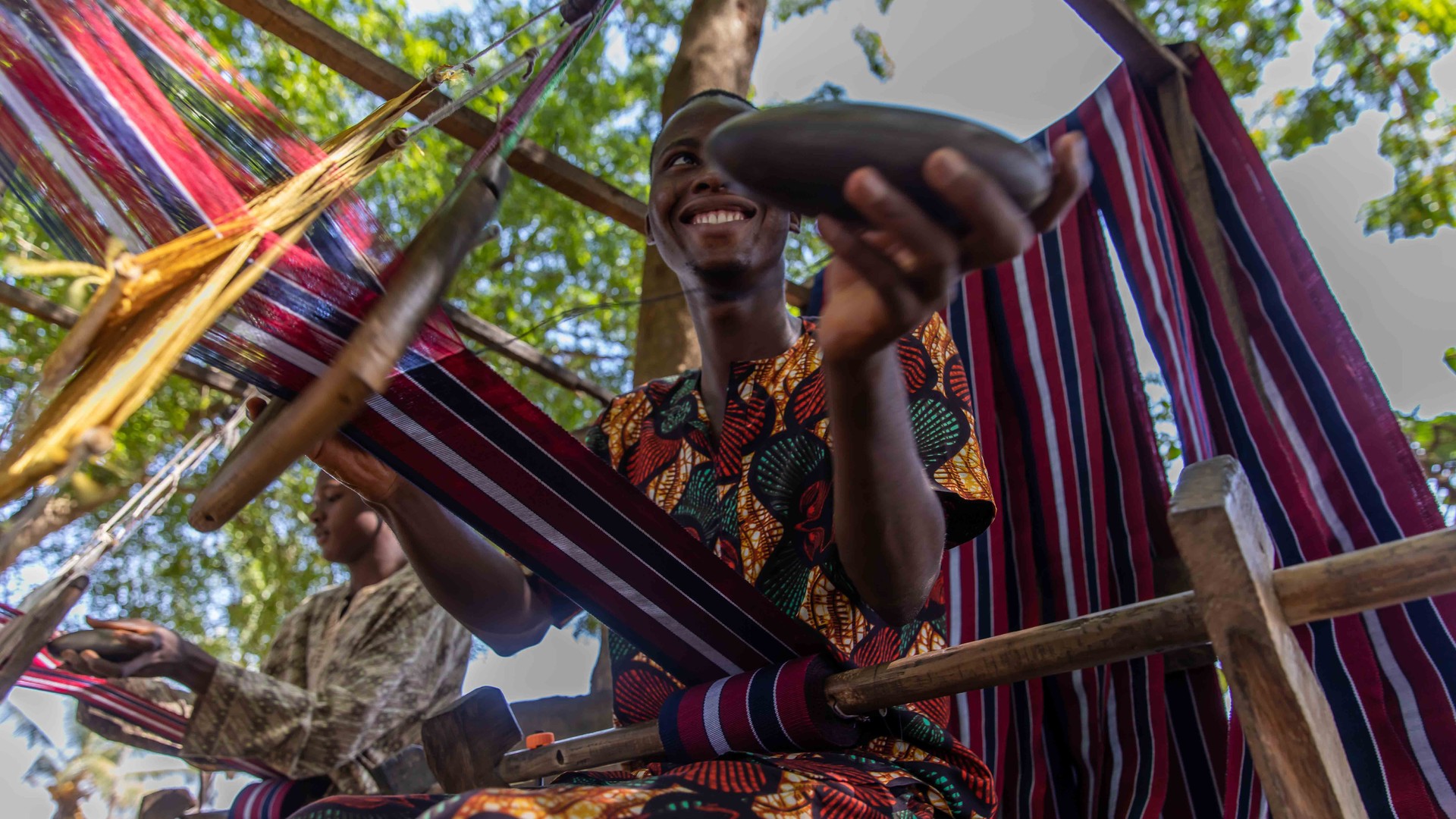
Cover photo: Aso-Oke weavers in Iseyin by Toyinvisuals via Wikimedia Commons (CC BY-SA 4.0).
If you run a shop, canteen, or stall around here, the demand is already local - what often gets in the way is the distance between a ready customer and your counter. Apply to sell on Trovah and put your business where neighbourhood orders can actually reach you.
And if you are the one doing the shopping, you do not have to turn every small need into a long outing. Open the Trovah buyer app, set your town, and order food, fashion, or essentials from vendors near you.
Keep reading