
Commerce and technology: the new wave taking Oke-Ogun business to the next level
Markets built Oke-Ogun. Phones, payments, and local delivery are rewriting what a shop in Iseyin, Saki, or Okeho can reach - without asking the town to become Lagos first.
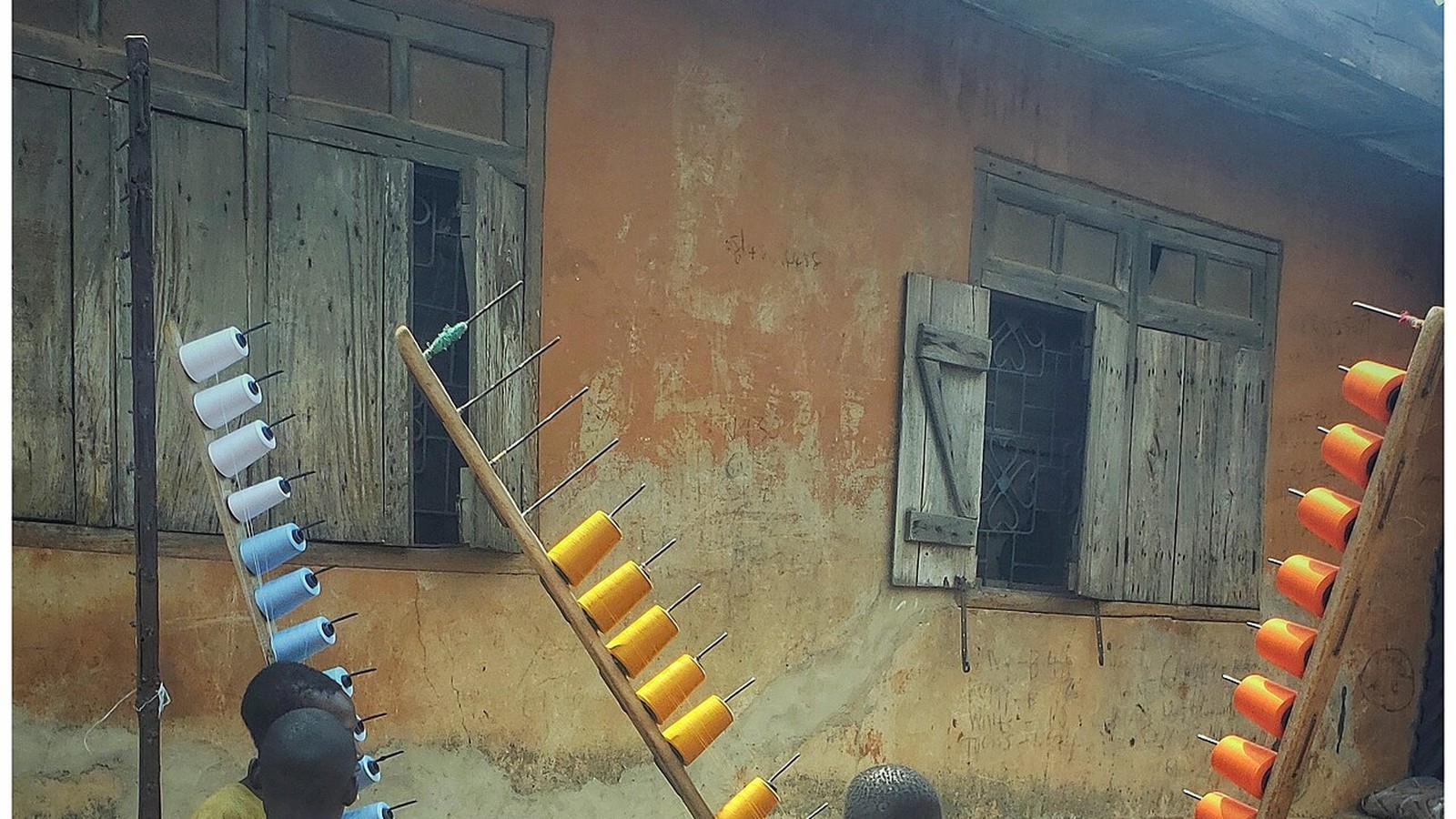
There is a quiet shift happening in towns that never needed permission to trade.
In Oke-Ogun - Iseyin, Saki, Okeho, Ado-Awaye, and the settlements that share their roads and market days - business did not wait for a startup conference. Cloth moved. Food moved. Provisions moved. Reputation did the marketing. Feet and motorcycles did the logistics.
What is new is not commerce itself. What is new is the layer sitting on top of it: technology that finally treats local trade as serious infrastructure, not a side project for after the big cities are done.
That meeting point - commerce plus technology - is the wave. And for towns like these, it is how ordinary businesses take the next step without abandoning who they already are.
The next level is not a bigger shop. It is a wider reach.
For years, "growing the business" in a place like Iseyin often meant the same physical loop: more stock, a better corner in the market, a louder signboard, maybe a second phone number.
Useful. Limited.
The next level looks different. A canteen that once served only walk-ins can take lunch orders from the other side of town. A fabric seller whose best customers were people who knew the stall by heart can be found by someone new on a Friday afternoon. A family living outside can send an order to relatives on the ground without turning the request into a group-chat negotiation.
That is not "becoming digital" for the sake of sounding modern. That is commerce doing what commerce has always wanted to do: meet demand farther than the counter can see.
Technology that respects how towns actually work
The failed version of tech in places like Oke-Ogun is easy to spot. It asks vendors to become content creators. It assumes every address behaves like a mapped estate. It treats WhatsApp screenshots as a permanent operating system.
The useful version is quieter:
- Discovery - buyers can find real local vendors without needing a forwarded number
- Orders - requests live in one place instead of vanishing in chat threads
- Payments - money moves in ways people already trust
- Fulfilment - riders who know the roads close the loop from shop to door
- Timing - prep time, readiness, and updates reduce the guesswork that used to make remote ordering feel risky
When those pieces connect, technology stops feeling like a foreign language. It feels like a better rail under the same market culture.
Why Oke-Ogun is the right kind of proving ground
Dense trading towns are not "almost cities." They are their own economy.
Oke-Ogun has craft memory, food culture, everyday retail, and social trust that still means something. Those are advantages. The towns that win the next decade of local commerce will not be the ones that copy Lagos line for line. They will be the ones that wire their existing strengths into systems that scale beyond word of mouth.
And Oke-Ogun is not alone in that story. Across Nigeria, there are towns with the same shape of opportunity: strong offline trade, rising smartphone use, young people already online, and platforms that historically under-served them. When a model works in Iseyin, it teaches something useful for Saki - and for every similar town still running on phone calls and favours.
What this wave changes for people who sell
If you own a shop, the shift is practical, not philosophical.
Your catalogue becomes searchable. Your opening hours and readiness become visible. Your best sellers stop depending only on who walks past. Repeat customers can reorder without starting from zero. Busy hours become measurable instead of vibes.
None of that replaces the skill of knowing your customers. It multiplies it. The vendor who already cooks well, stitches well, or stocks well suddenly has a cleaner path to more of the people who want exactly that.
The competitive edge is no longer only location on a busy road. It is also whether your business can be found, paid, and delivered when someone is not standing in front of you.
What this wave changes for people who buy
Buyers feel it as time returned.
Less "I will go later." Less sending a junior person across town for one item. Less guessing whether the place is open, whether stock is left, whether someone can bring it. More of the ordinary needs of a household or workplace get handled in the same afternoon they appear.
That matters in towns where errands stack quickly and transport is not free. Convenience is not a luxury brand promise here. It is a better use of daylight.
The real upgrade is a system, not a status update
Posting a product photo online is a start. Running a business online is a system.
A system remembers the order. A system confirms payment. A system assigns a rider. A system tells the buyer what is happening. A system lets a vendor focus on preparation instead of managing five parallel conversations.
That is the leap from being reachable to being operable. And that leap is what turns local commerce into something that can grow without burning out the people who make it work.
Where Trovah stands in the wave
Trovah is building for this exact meeting point: local vendors, local buyers, local riders, and the digital rails that connect them.
Not a fantasy of replacing the market. A working layer that lets Oke-Ogun businesses show up where demand already is - on phones, in homes, across neighbourhoods - with checkout and delivery that make sense on the ground.
If the old story was that towns like these would "catch up" someday, the better story is already underway. Commerce was here. Technology is finally arriving in a form that can carry it further.
That is the new wave. And for Oke-Ogun - and every town built the same way - the next level of business will belong to the people who ride it without losing the trust that made trade work in the first place.
If you run a shop, canteen, or stall around here, the demand is already local - what often gets in the way is the distance between a ready customer and your counter. Apply to sell on Trovah and put your business where neighbourhood orders can actually reach you.
And if you are the one doing the shopping, you do not have to turn every small need into a long outing. Open the Trovah buyer app, set your town, and order food, fashion, or essentials from vendors near you.
Keep reading
Related posts

Insights · 3 Oct 2026
Iseyin (and Oke-Ogun) never lacked business. It lacked a system that could carry it online.
Oke-Ogun has always traded - markets, food, fabric, neighbourhood trust. What arrived late was not ambition. It was digital infrastructure that finally fits towns like Iseyin, Saki, and Okeho.
Continue reading →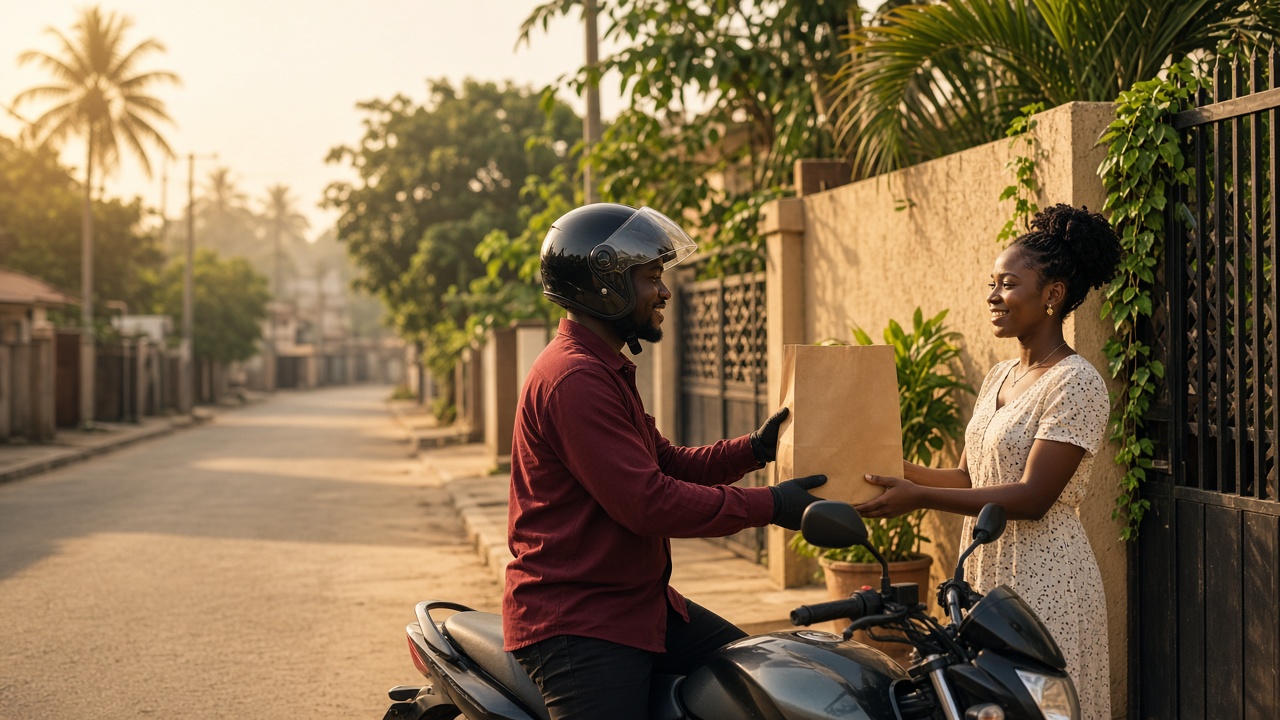
Announcements · 3 Oct 2026
Free delivery in Iseyin from October 10 to 20
For eleven days this October, Trovah is covering delivery fees on orders within Iseyin. Here is what that means if you shop - or sell - in town.
Continue reading →